Common Diesel Engine Problems Faced By Heavy Vehicles In Wodonga
Heavy vehicles work hard. Whether it is a semi-trailer clocking up highway kilometres, an excavator grinding through a construction site, or a farm truck hauling loads across rough country roads, the diesel engines powering these machines are under sustained stress in a way that passenger vehicles simply are not. That stress, combined with the operating environment around Wodonga — seasonal temperature swings, dusty rural roads and the demands of agricultural and construction work — creates a predictable set of diesel engine problems that heavy vehicle operators encounter regularly. Understanding these problems before they become breakdowns is the difference between planned maintenance and an expensive, unscheduled repair. Here are the diesel issues most commonly seen in heavy vehicles across this region.
Fuel Injector Fouling and Failure
Fuel injectors are precision components that deliver diesel into the combustion chamber at exactly the right moment, in exactly the right quantity. When they are working correctly, the engine runs smoothly, efficiently and with good power delivery. When they begin to fail — through fouling, wear, or carbon build-up — the symptoms are hard to miss.
Common signs of injector problems include:
- Rough idle or uneven running, particularly when cold
- Black or excessive smoke from the exhaust
- Noticeable loss of power or fuel economy
- Hard starting, especially in cold conditions
- Engine misfires under load
In heavy vehicles operating in this region, injector issues are often accelerated by fuel quality variation, extended service intervals and the high-load conditions common in earthmoving and agricultural work. Regular diagnostics and timely replacement are more cost-effective than allowing injector problems to progress to the point where they affect other components.
Overheating and Cooling System Failures
Heavy vehicle cooling systems carry an enormous workload. The amount of heat generated by a large diesel engine under sustained load — particularly during summer in north-east Victoria — demands a cooling system that is functioning at full capacity. When any component begins to degrade, the consequences can be severe.
Common cooling system issues in heavy vehicles include:
- Coolant leaks from hoses, the radiator or the head gasket
- Thermostat failure causing the engine to run too hot or too cold
- Water pump wear leading to inadequate coolant circulation
- Radiator blockage reducing heat transfer capacity
- Air pockets in the cooling circuit causing localised overheating
Overheating is one of the most damaging things that can happen to a diesel engine. A single significant overheating event can warp cylinder heads, damage head gaskets or cause scoring in the cylinders — repairs that run to thousands of dollars. Keeping the cooling system inspected, serviced and running correctly is non-negotiable for any serious heavy vehicle operator.
Turbocharger Issues
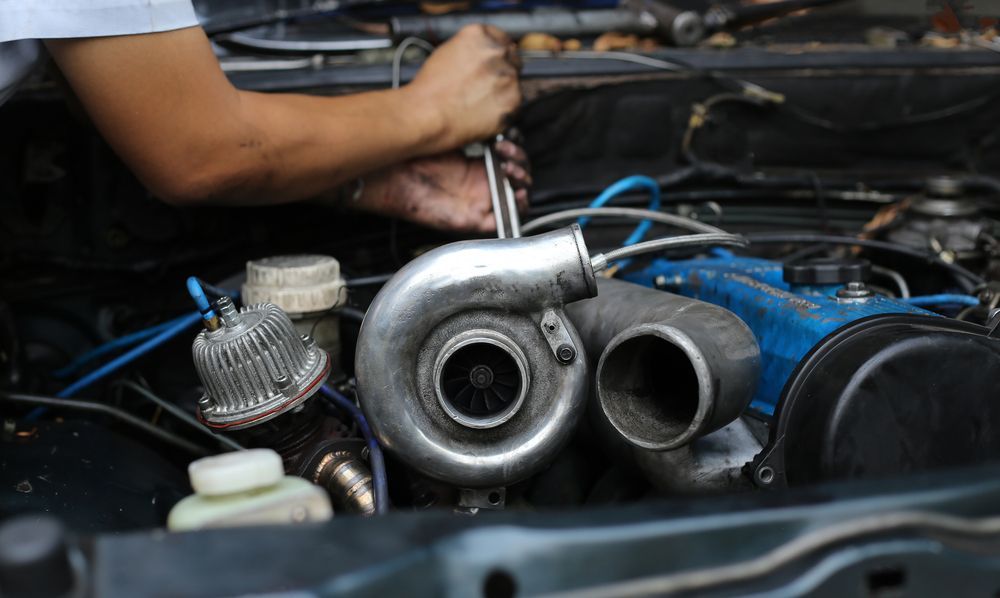
Most modern heavy diesel engines rely on a turbocharger to force additional air into the combustion chamber, allowing more fuel to be burned and generating the power output that heavy work demands. Turbos are robust components, but they operate at extreme temperatures and RPMs, and they require consistent lubrication and clean intake air to function correctly.
Turbocharger problems typically develop gradually and include:
- Blue or white smoke from the exhaust, indicating oil is entering the intake or exhaust
- Whining, rattling or grinding noises from the turbo itself
- Loss of power and reduced throttle response
- Excessive oil consumption
- Boost pressure that is lower than expected
The most common cause of turbocharger failure in heavy vehicles is oil starvation — either from infrequent oil changes allowing the oil to degrade, or from oil passages becoming restricted. Running a diesel engine with degraded oil is particularly damaging to turbo bearings. For heavy vehicles doing intensive work across construction and agricultural sites, maintaining oil change intervals is a direct investment in turbocharger longevity.
EGR Valve Problems
The Exhaust Gas Recirculation (EGR) system reduces nitrogen oxide emissions by recirculating a portion of exhaust gas back into the intake manifold. It is effective from an emissions perspective, but it is also one of the more maintenance-intensive systems in a modern diesel engine because exhaust gas is dirty, hot and carries soot and carbon deposits that progressively coat and clog the EGR valve and related passages.
Symptoms of EGR valve issues include:
- Rough idle and erratic engine behaviour
- Increased fuel consumption
- Black smoke from the exhaust
- Engine warning lights on the dash
- Reduced power, particularly under load
For heavy vehicles operating in dusty agricultural or construction environments, EGR systems tend to foul faster than in cleaner operating conditions. Regular inspection and cleaning — or replacement when the valve is no longer functioning correctly — keeps the engine running efficiently and prevents the kind of progressive performance decline that operators sometimes accept as normal but which represents real money in wasted fuel.
Glow Plug Failure
Glow plugs are the starting point for a diesel engine's cold-start cycle. Unlike petrol engines, diesel engines ignite fuel through compression heat rather than a spark, and glow plugs provide an initial heat source in the pre-chamber or combustion chamber to assist with cold starts when the engine and ambient temperature are low. Wodonga's winters are genuinely cold, and the cold-start demands on a heavy diesel — particularly one that has been sitting overnight — are significant.
Glow plug failure makes itself known through:
- Extended cranking before the engine fires
- Rough running during the warm-up period
- White smoke from the exhaust when starting
- Hard starting or failure to start in cold conditions
- Engine management warning lights
Glow plugs are relatively inexpensive to replace but are sometimes ignored until they cause a no-start situation on a cold morning. Proactive replacement as part of a scheduled maintenance program avoids that scenario and the downtime that comes with it.
Fuel System Contamination
Diesel fuel contamination — most commonly water ingress, but also microbial growth in fuel tanks and particulate contamination from degraded tank linings — is a problem that affects heavy vehicles differently from passenger cars. Larger fuel tanks, vehicles that may sit unused for extended periods, and the practical realities of refuelling in remote or agricultural settings all create conditions where contamination is more likely.
Water in diesel fuel is particularly damaging. It does not combust, it causes injector and pump corrosion, and it promotes the growth of microbial colonies that further degrade fuel quality and block filters. Vehicles that develop a pattern of frequent fuel filter replacements, sluggish performance or injector issues should have their fuel quality and tank integrity checked as part of the diagnostic process.
- Regular fuel filter changes remain the first line of defence
- Fuel tank inspections and draining catch water contamination early
- Fuel polishing services remove contamination from existing fuel
Hydraulic System Wear and Hose Failures
For earthmoving and construction equipment, the hydraulic system is as critical as the engine itself. Excavators, loaders, dozers and agricultural equipment all rely on hydraulic circuits to operate attachments, steering and braking systems. Hydraulic hose failures are among the most common maintenance issues for this class of equipment.
Hoses degrade through age, UV exposure, abrasion against machine components, and the pressure cycling inherent in normal hydraulic system operation. A burst hose is not just a maintenance problem — it is an immediate operational shutdown, a potential safety incident and an environmental concern if hydraulic fluid is released.
- Proactive hose inspection at regular intervals identifies wear before failure
- On-site hose replacement services minimise downtime when failures do occur
- Hydraulic fluid quality and contamination should be checked as part of regular servicing
The Value of Preventative Maintenance
Heavy vehicle repairs are expensive — both in parts and labour, and in the downtime that comes when a vehicle is out of service. The pattern across most of the problems described above is the same: they start small, develop progressively, and become significantly more costly the longer they are left. An injector that needs cleaning becomes an injector that needs replacement. A cooling system with a minor leak becomes a warped cylinder head. The mechanics who understand this work are the ones who deliver the most value to their clients — not by finding more work to do, but by finding the right work to do at the right time. A well-maintained heavy vehicle costs less to run, lasts longer and generates more revenue than one managed reactively.
At Wyatt Mechanical, we provide expert heavy vehicle servicing and diagnostics for operators across the Albury-Wodonga region. Whether you are searching for a diesel mechanic near me to handle a specific fault or looking to set up a structured preventative maintenance program, our mobile and in-shop team is equipped to handle vehicles of all sizes. As a trusted diesel mechanic Albury and Wodonga operators rely on, we bring 15+ years of heavy diesel experience to every job. Call us on 0458 651 637 or visit our website to book your next service or discuss your fleet's maintenance requirements.